Get Residential Air Testing
Residential air testing services help property owners identify indoor air quality issues, mold, allergens, or pollutants through inspections performed by local contractors.
Residential air testing services provide property owners with valuable insights into indoor air quality and potential pollutants. Whether planning a renovation, addressing concerns about allergens, or ensuring a healthy living environment, understanding the air quality inside a home is an important step. Local contractors specializing in air testing can help identify issues that may affect comfort and health, offering practical information to guide decision-making.
For property owners in the area, exploring air testing options can be a proactive way to assess the condition of their indoor environment. Comparing services from nearby providers ensures access to qualified professionals who understand local building characteristics and common concerns. Continuing to read can help identify the right local service providers to meet specific needs and support informed planning.
- Residential Air Testing - Homeowners may need this service to identify indoor air quality issues or hidden pollutants.
- Air Quality Assessments - Individuals experiencing unexplained allergies or respiratory problems might seek testing to pinpoint airborne contaminants.
- Indoor Air Quality Testing - Those planning renovations or new constructions may require testing to ensure a healthy indoor environment.
- HVAC System Testing - Property owners noticing poor airflow or odors could benefit from testing to evaluate their HVAC systems.
- Mold and Pollutant Detection - Residents suspecting mold growth or chemical exposure may need professional testing to confirm indoor air safety.
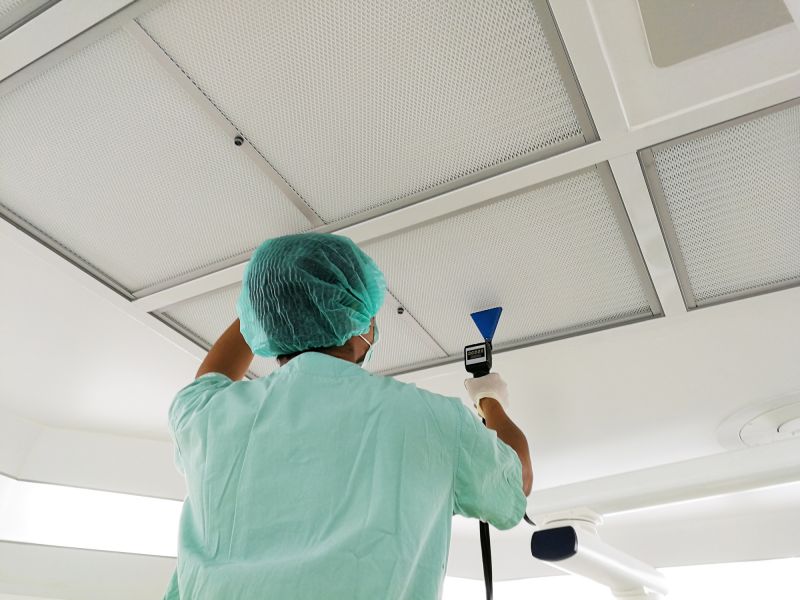

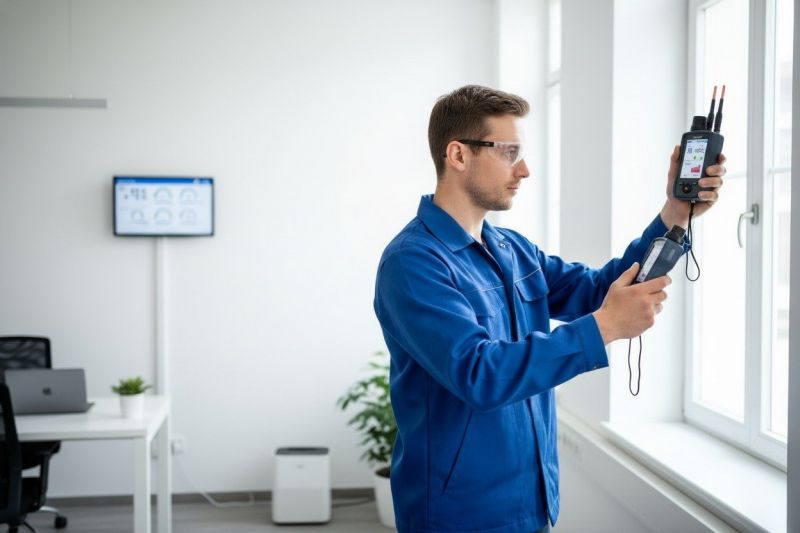
Residential air testing services involve the use of specialized equipment to assess the quality and safety of the air inside a home. These tests can identify pollutants, allergens, mold spores, volatile organic compounds (VOCs), and other airborne contaminants that may affect indoor air quality. By analyzing samples from different areas of a residence, service providers can determine if the air meets health and safety standards or if issues need to be addressed. This process helps homeowners understand the current state of their indoor environment and provides a clear basis for making improvements or taking corrective actions.
These services are particularly helpful in identifying problems that might not be immediately visible but can impact health and comfort. For example, elevated mold spore levels can indicate hidden mold growth behind walls or in ventilation systems. Similarly, high concentrations of VOCs may come from household products, new furnishings, or renovation materials. Air testing can also reveal issues related to poor ventilation, excess humidity, or lingering odors. Detecting these problems early allows homeowners to address them before they develop into more serious health concerns or cause property damage.
Properties that often benefit from residential air testing include those that have experienced recent renovations, water damage, or mold growth. Homes with occupants who have allergies, asthma, or respiratory sensitivities may also find testing useful for identifying triggers. Additionally, older houses with outdated HVAC systems or signs of moisture problems can benefit from air quality assessments. Even new constructions can be tested to ensure that indoor air is safe and free from construction-related pollutants. Essentially, any residence concerned about indoor air quality or experiencing unexplained symptoms might consider scheduling air testing with local service providers.
To get started, homeowners can contact reputable local contractors who specialize in residential air testing. These professionals use industry-standard equipment to perform thorough assessments tailored to the specific concerns of each property. Whether addressing suspected mold, chemical exposure, or general air quality issues, qualified service providers can help identify the source of indoor air problems. This information enables homeowners to make informed decisions about necessary repairs, improvements, or ongoing monitoring to maintain a healthy living environment.
The overview below groups typical Residential Air Testing projects into broad ranges so you can see how smaller, mid-sized, and larger jobs often compare in your area.
In many markets, a large share of routine jobs stays in the lower and middle ranges, while only a smaller percentage of projects moves into the highest bands when the work is more complex or site conditions are harder than average.
Basic Testing - Most routine residential air testing projects typically cost between $250 and $600. Many standard inspections fall within this range, covering common testing needs for smaller homes or straightforward assessments.
Moderate Projects - More comprehensive testing or larger homes can range from $600 to $1,500. These projects often involve additional equipment or extended testing periods handled by local contractors.
Complex Assessments - Larger, more complex projects such as multi-unit buildings or detailed analyses can reach $1,500 to $3,000. Fewer projects fall into this tier, but they are common for extensive testing requirements.
Larger, Specialized Jobs - Very extensive or specialized air testing, including multiple locations or advanced diagnostics, can cost $3,000 and up to $5,000+. These are typically reserved for complex or high-stakes assessments handled by experienced local service providers.
Actual totals will depend on details like access to the work area, the scope of the project, and the materials selected, so use these as general starting points rather than exact figures.
Indoor Air Quality Assessments - professionals who evaluate air quality in residential spaces often use similar testing tools and planning methods as those used in residential air testing services.
HVAC Duct Leak Detection - identifying leaks in ductwork requires precise testing techniques and planning skills comparable to air infiltration assessments in homes.
Mold Inspection Services - mold inspectors utilize air sampling and environmental analysis methods that align with the skills used in residential air testing.
Radon Testing Services - radon measurement involves environmental testing and planning similar to those used in detecting airborne contaminants indoors.
Building Envelope Inspections - inspecting and assessing a building’s envelope involves planning and testing skills akin to those used in air infiltration and leakage evaluations.
Ventilation System Evaluations - assessing ventilation performance requires testing procedures and planning strategies comparable to residential air testing processes.
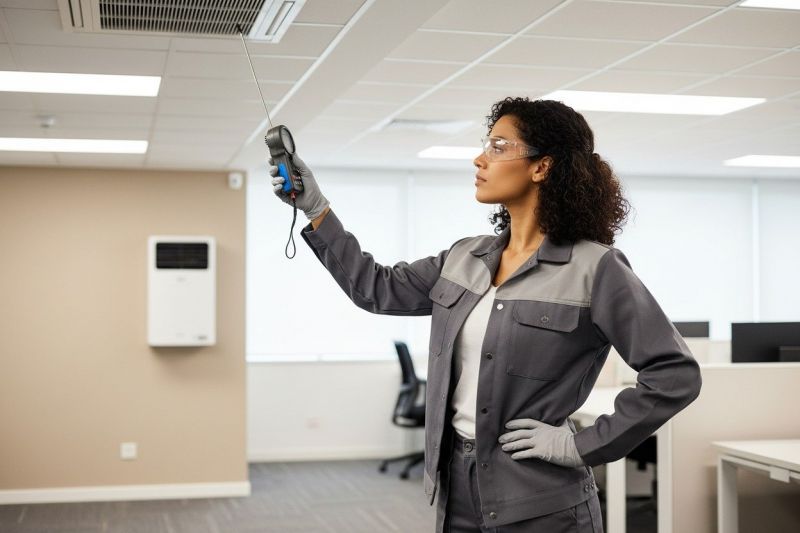
When comparing residential air testing service providers, it’s important to consider their experience with similar projects. Homeowners should look for local contractors who have a proven track record in conducting air quality assessments in residential settings comparable to their own homes. An experienced provider will understand the specific challenges that can arise during testing and be familiar with the best practices for obtaining accurate results. This background can help ensure the testing process is thorough and reliable, giving homeowners confidence in the findings and any subsequent recommendations.
Clear, written expectations are essential when evaluating potential service providers. Homeowners should seek out local experts who can provide detailed descriptions of what the testing process involves, what areas will be examined, and what the homeowner can expect in terms of deliverables. Having this information in writing helps prevent misunderstandings and ensures that everyone is aligned on the scope of work. Transparent communication about procedures and outcomes allows homeowners to make informed decisions and feel assured that the project will be handled professionally.
Reputable references and effective communication are key factors in selecting the right local contractor for air testing. Homeowners are encouraged to ask for references from previous clients who had similar testing needs, which can offer insight into the provider’s reliability and quality of service. Additionally, good communication throughout the process-such as prompt responses to questions and clear updates-can make the experience smoother and more transparent. While this site introduces homeowners to local options, it’s important to remember that the actual testing work is performed by trusted service providers who specialize in these assessments.
Property owners use Residential Air Testing services for practical projects around their homes and businesses. This guide focuses on everyday jobs and straightforward project options.
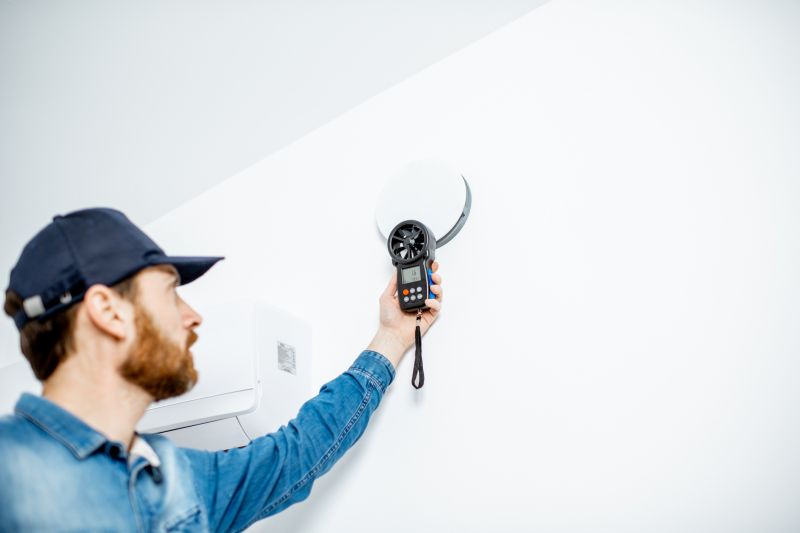
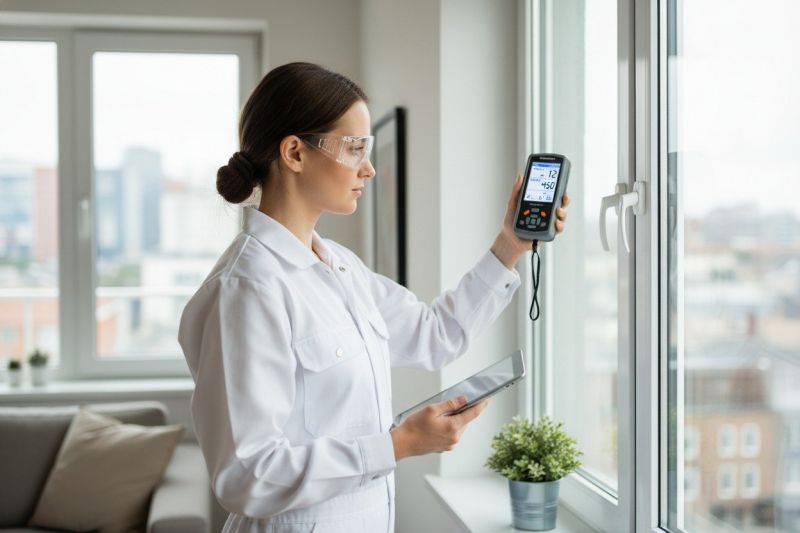
Residential air testing services are often sought after by property owners who want to ensure their indoor air quality is safe and healthy. Whether someone is experiencing unexplained allergies, persistent odors, or concerns about mold growth, local contractors can provide the testing needed to identify potential issues. Homeowners may also consider air testing when renovating, purchasing a new property, or addressing moisture problems that could impact the air they breathe daily.
In many cases, property owners turn to local service providers to help detect airborne contaminants or allergens that aren’t visible to the naked eye. These professionals can assist with routine inspections or more detailed assessments following water damage or suspected mold growth. Connecting with experienced local contractors ensures that property owners receive accurate testing and reliable guidance to maintain a safe and comfortable living environment.
Why should I consider residential air testing? Residential air testing can help identify indoor air quality issues, such as mold, allergens, or pollutants, that may affect health and comfort in a home.
What types of air tests are available for homes? There are various tests, including mold testing, allergen testing, and general indoor air quality assessments, which local service providers can perform based on your concerns.
How do local contractors perform residential air testing? They typically use specialized equipment to collect air samples and analyze them to detect contaminants or air quality problems within a home.
Is residential air testing suitable for detecting mold? Yes, many local service providers offer mold testing services to identify the presence and levels of mold spores in indoor air.
How can I find qualified professionals for air testing services? You can contact local contractors who specialize in indoor air quality assessments to compare options and choose the right provider for your needs.
Indoor Air Quality Assessment - Homeowners can use air testing services to identify pollutants or allergens that may affect health and comfort.
Mold and Mildew Detection - Property owners can detect hidden mold growth in basements, bathrooms, or attics to prevent damage and improve indoor air.
Radon Level Testing - Residents can monitor radon levels to ensure safe air quality and consider mitigation options if levels are high.
Ventilation System Evaluation - Homeowners can assess their current ventilation systems to improve airflow and reduce indoor air contaminants.
If you are thinking about Residential Air Testing for a property, this guide is meant to help you understand the work, the typical project types, and how different options might fit your plans.
When you are ready, you can use the quote form on this page to share a few details about your project. From there, local pros can review the basics and respond with options that match what you have in mind.